Today choice Can an employer contribute different amounts towards employee medical insurance You must look
Home » Travel Insurance » Today choice Can an employer contribute different amounts towards employee medical insurance You must lookYour Can an employer contribute different amounts towards employee medical insurance risk are obtainable. Can an employer contribute different amounts towards employee medical insurance are a quote that is most popular and liked by everyone this time. You can News the Can an employer contribute different amounts towards employee medical insurance files here. Find and Download all free banner.
If you’re searching for can an employer contribute different amounts towards employee medical insurance pictures information connected with to the can an employer contribute different amounts towards employee medical insurance interest, you have pay a visit to the ideal blog. Our site always provides you with hints for downloading the maximum quality video and picture content, please kindly hunt and find more enlightening video content and images that fit your interests.
Can An Employer Contribute Different Amounts Towards Employee Medical Insurance. With a defined contribution health plan, an employer can give employees different contributions based on classes of employees. Employee contributions to health insurance. Common structures contemplated by employers include, but are not limited to: To help us get a general idea of how much employers contribute to health plans, we turn to the the annual kaiser family foundation (kff) health benefits survey for insight.
 5 Popular Employee Benefits Human Resources Degrees From humanresourcesmba.net
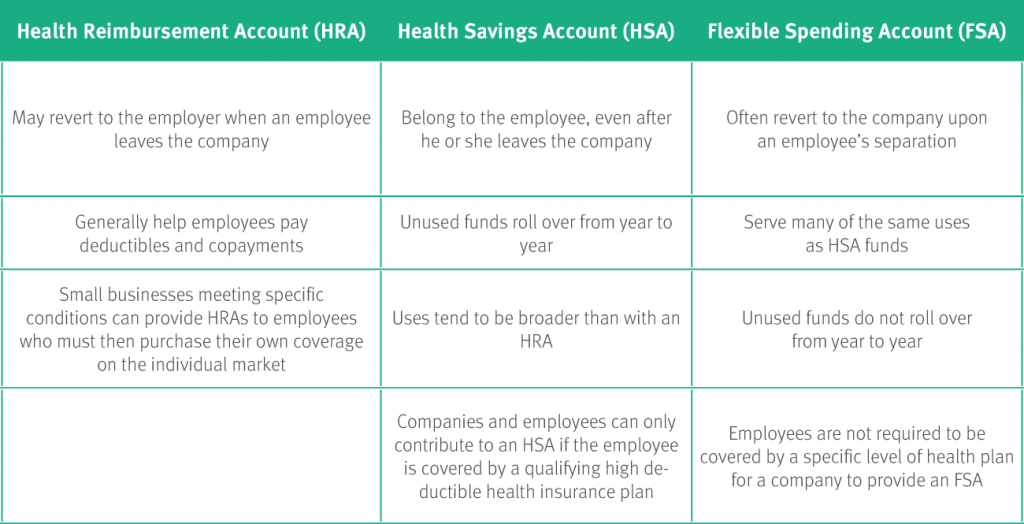
With a defined contribution health plan, an employer can give employees different contributions based on classes of employees. Common structures contemplated by employers include, but are not limited to: However, while many employers contribute to the. Can an employer pay different amounts of health insurance contributions for different employees (e.g. As an employer, you decide whether or not to contribute to employee hsas. You may also elect to contribute via one lump sum at the beginning of each year.
If you opt for a group health insurance plan, in most states, employers are required to contribute or pay at least 50% of each employee’s health insurance premium, although this may vary, depending upon the state in which your business is located.
If all employees can participate in the same major medical plan and can elect the same salary reduction amounts for the same benefits, the pop and major medical plan are not discriminatory, even if they do not meet the contributions & benefits test or key employee concentration test. The affordable care act only requires employers to offer health insurance benefits—to employees who work at least 30 hours per week—if they have 50 or more employees. The irs puts a limit on an employer’s contribution to the health fsa based on how much the employee contributes: When cp turns 60, k�s insurer notifies k that it will increase the premium for cp�s health insurance by 10%. As long as the employer does not single out a particular employee and is consistent with how this is applied, there is no problem in this regard. As an employer, you decide whether or not to contribute to employee hsas.
 Source: eremitica.blogspot.com
Some carriers don’t have that stipulation. You may be able to contribute 100 percent towards your employees’ group health plan, but the implications of that decision vary by insurance carrier. As an employer, you decide whether or not to contribute to employee hsas. The aca indicates that health care for a calendar year should not exceed 9.8 percent of an employee�s total annual income. They can as long as they are not discriminating within a class of employees.
 Source: eremitica.blogspot.com
Employee contributions to health insurance. As an employer, you decide whether or not to contribute to employee hsas. If you opt for a group health insurance plan, in most states, employers are required to contribute or pay at least 50% of each employee’s health insurance premium, although this may vary, depending upon the state in which your business is located. They can as long as they are not discriminating within a class of employees. Your employer contribution, on the other hand, is the dollar amount your employer pays towards your policy.
 Source: blog.cdphp.com
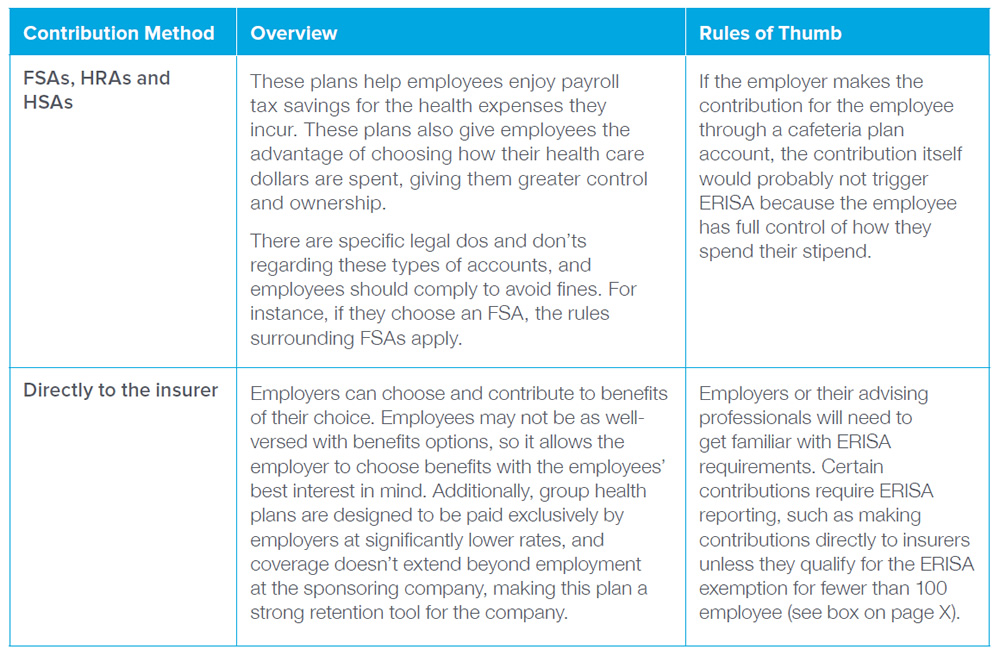
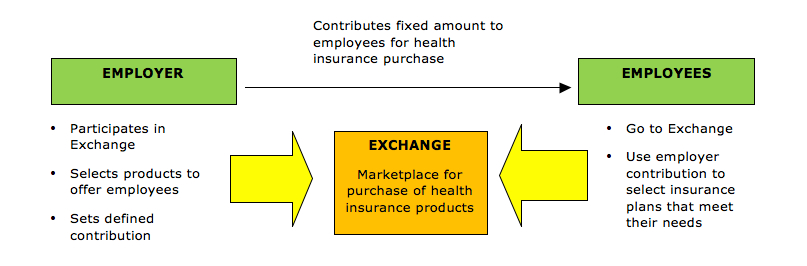
Charging all employees a flat amount for their health plan charging employees a percentage of the premium for the health plan, with the percentage changing as employees move between tiers (self, self. Employers generally have significant flexibility in this part of their plan’s design. Employer contributions are entirely optional. With a defined contribution health plan, an employer can give employees different contributions based on classes of employees. Different levels of benefits for groups of employees;
 Source: eremitica.blogspot.com
To help us get a general idea of how much employers contribute to health plans, we turn to the the annual kaiser family foundation (kff) health benefits survey for insight. While distinctions cannot be based on any of the health factors listed above, employers may provide different health benefits to different groups of employees, so long as the individuals are not “similarly situated individuals.” Can an employer pay different amounts of health insurance contributions for different employees (e.g. With a defined contribution health plan, an employer can give employees different contributions based on classes of employees. If you opt for a group health insurance plan, in most states, employers are required to contribute or pay at least 50% of each employee’s health insurance premium, although this may vary, depending upon the state in which your business is located.
 Source: aflac.com
For example, it is not uncommon for an employer to contribute on dollar or percentage amount towards the coverage of salaried employees and another dollar or percentage amount towards hourly employees. K tells cp that it can no longer afford to pay 40% of the cost for his health insurance, and that he will be. As long as the employer does not single out a particular employee and is consistent with how this is applied, there is no problem in this regard. Some carriers say that if you contribute 100 percent, you also have to have 100 percent enrollment in the plan. For example, it is not uncommon for an employer to contribute on dollar or percentage amount towards the coverage of salaried employees and another dollar or percentage amount towards hourly employees.
 Source: hmsa.com
K tells cp that it can no longer afford to pay 40% of the cost for his health insurance, and that he will be. The aca indicates that health care for a calendar year should not exceed 9.8 percent of an employee�s total annual income. Federal regulations state that “a plan or issuer may treat participants as two or more distinct groups of similarly situated individuals if the distinction between or among the groups of participants is based on a bona fide employment. If your organization chooses, you can contribute to employees’ hsas periodically, i.e. Common structures contemplated by employers include, but are not limited to:
 Source: moneyexcel.com
If your organization chooses, you can contribute to employees’ hsas periodically, i.e. As long as the employer does not single out a particular employee and is consistent with how this is applied, there is no problem in this regard. “employer contribution” is the insurance industry way of describing the amount an employer pays towards an employee’s medical insurance. An employer may match up to $500 whether or not the employee contributes to a health fsa. For example, it is not uncommon for an employer to contribute on dollar or percentage amount towards the coverage of salaried employees and another dollar or percentage amount towards hourly employees.
 Source: farmersinsurancelawenforcementdiscoun.blogspot.com
Common structures contemplated by employers include, but are not limited to: While distinctions cannot be based on any of the health factors listed above, employers may provide different health benefits to different groups of employees, so long as the individuals are not “similarly situated individuals.” For example, it is not uncommon for an employer to contribute on dollar or percentage amount towards the coverage of salaried employees and another dollar or percentage amount towards hourly employees. Often, health insurance is offered at a group rate through an employer. But 96% of employers in the us have fewer than 50 employees and are thus not required to offer health benefits to their workers.
 Source: phxhealthinsurance.com
If you opt for a group health insurance plan, in most states, employers are required to contribute or pay at least 50% of each employee’s health insurance premium, although this may vary, depending upon the state in which your business is located. You may be able to contribute 100 percent towards your employees’ group health plan, but the implications of that decision vary by insurance carrier. Employers generally have significant flexibility in this part of their plan’s design. K tells cp that it can no longer afford to pay 40% of the cost for his health insurance, and that he will be. You may also elect to contribute via one lump sum at the beginning of each year.
 Source: goselfemployed.co
Often, health insurance is offered at a group rate through an employer. If your organization chooses, you can contribute to employees’ hsas periodically, i.e. The employer contribution for health insurance might change based upon the type of plan the company offers. Your employer contribution, on the other hand, is the dollar amount your employer pays towards your policy. For example, it is not uncommon for an employer to contribute on dollar or percentage amount towards the coverage of salaried employees and another dollar or percentage amount towards hourly employees.
 Source: mycalchoice.com
They can as long as they are not discriminating within a class of employees. If your organization chooses, you can contribute to employees’ hsas periodically, i.e. This safe harbor does not address cost, but it’s worth noting here: The irs puts a limit on an employer’s contribution to the health fsa based on how much the employee contributes: However, the discrimination testing will determine if these hces can participate in the cafeteria plan based on group insurance premiums, dependent care contribution and medical reimbursement accounts elections.
 Source: eremitica.blogspot.com
Common structures contemplated by employers include, but are not limited to: If your organization chooses, you can contribute to employees’ hsas periodically, i.e. With a defined contribution health plan, an employer can give employees different contributions based on classes of employees. As an employer, you decide whether or not to contribute to employee hsas. “employer contribution” is the insurance industry way of describing the amount an employer pays towards an employee’s medical insurance.
Source: humanresourcesmba.net
The employer contribution for health insurance might change based upon the type of plan the company offers. You may be able to contribute 100 percent towards your employees’ group health plan, but the implications of that decision vary by insurance carrier. The affordable care act only requires employers to offer health insurance benefits—to employees who work at least 30 hours per week—if they have 50 or more employees. If you opt for a group health insurance plan, in most states, employers are required to contribute or pay at least 50% of each employee’s health insurance premium, although this may vary, depending upon the state in which your business is located. If an employer offers a group health plan then california state law requires an employer to contribute a minimum amount towards the cost of the employees’ medical insurance.
 Source: blog.healthequity.com
It�s a choice left between the employer and employee, but there are a few important rules to follow. This safe harbor does not address cost, but it’s worth noting here: The aca indicates that health care for a calendar year should not exceed 9.8 percent of an employee�s total annual income. Can an employer pay different amounts of health insurance contributions for different employees (e.g. Charging all employees a flat amount for their health plan charging employees a percentage of the premium for the health plan, with the percentage changing as employees move between tiers (self, self.
 Source: ltcnews.com
However, the discrimination testing will determine if these hces can participate in the cafeteria plan based on group insurance premiums, dependent care contribution and medical reimbursement accounts elections. If all employees can participate in the same major medical plan and can elect the same salary reduction amounts for the same benefits, the pop and major medical plan are not discriminatory, even if they do not meet the contributions & benefits test or key employee concentration test. Common structures contemplated by employers include, but are not limited to: But 96% of employers in the us have fewer than 50 employees and are thus not required to offer health benefits to their workers. When cp turns 60, k�s insurer notifies k that it will increase the premium for cp�s health insurance by 10%.
 Source: benefitcomply.com
Employer contribution rates vary based on employee group. You may be able to contribute 100 percent towards your employees’ group health plan, but the implications of that decision vary by insurance carrier. They can as long as they are not discriminating within a class of employees. Employers generally have significant flexibility in this part of their plan’s design. You may also elect to contribute via one lump sum at the beginning of each year.
 Source: aspirebenefits.trgportal.com
If you opt for a group health insurance plan, in most states, employers are required to contribute or pay at least 50% of each employee’s health insurance premium, although this may vary, depending upon the state in which your business is located. Some carriers say that if you contribute 100 percent, you also have to have 100 percent enrollment in the plan. To help us get a general idea of how much employers contribute to health plans, we turn to the the annual kaiser family foundation (kff) health benefits survey for insight. Although employers could tie contributions to a flat percentage of each employee�s pay, setting up a few premium payment tiers linked to specified pay ranges is. But 96% of employers in the us have fewer than 50 employees and are thus not required to offer health benefits to their workers.
 Source: hrapp.in
You may also elect to contribute via one lump sum at the beginning of each year. Some carriers say that if you contribute 100 percent, you also have to have 100 percent enrollment in the plan. Your employer contribution, on the other hand, is the dollar amount your employer pays towards your policy. “employer contribution” is the insurance industry way of describing the amount an employer pays towards an employee’s medical insurance. If all employees can participate in the same major medical plan and can elect the same salary reduction amounts for the same benefits, the pop and major medical plan are not discriminatory, even if they do not meet the contributions & benefits test or key employee concentration test.
This site is an open community for users to share their favorite wallpapers on the internet, all images or pictures in this website are for personal wallpaper use only, it is stricly prohibited to use this wallpaper for commercial purposes, if you are the author and find this image is shared without your permission, please kindly raise a DMCA report to Us.
If you find this site convienient, please support us by sharing this posts to your preference social media accounts like Facebook, Instagram and so on or you can also save this blog page with the title can an employer contribute different amounts towards employee medical insurance by using Ctrl + D for devices a laptop with a Windows operating system or Command + D for laptops with an Apple operating system. If you use a smartphone, you can also use the drawer menu of the browser you are using. Whether it’s a Windows, Mac, iOS or Android operating system, you will still be able to bookmark this website.
Category
Related By Category
- Most viewed At the time the insured purchased her life Review
- Top recommendations Does homeowners insurance pay for tree removal You must know
- Latest Autoeurope insurance options Review
- Best Free Harbor health insurance Everything you need to know
- Current How much is renters insurance in va You must look through
- The insight of Affordable insurance agency of ohio Review
- Best Cli insurance You must read
- Most popular Rob jackson insurance You must look
- Most popular Birla sun life insurance address Review
- Best Free Can i add my brother to my health insurance You must look through
